
Types of Wood Finishes and When to Use Them
Choosing a wood finish can feel confusing at first. Oils, hardwax oils, varnish, shellac, lacquer, and wax all protect wood, but they each behave differently once you start using them.
If you’ve ever found yourself stuck choosing a finish, you’re not alone. Most of the time, it comes down to three things: how much protection you need, the look you want, and how much maintenance you’re willing to do.
I learned this the hard way. I once overapplied a water-based finish and ended up with a faint blue haze that dulled the grain. That mistake made me dig in and really figure out how each finish works in real life.
Below, I’ve broken down the most common wood finishes. You’ll see what each one is good at, where it struggles, and when it actually makes sense to use it.
Quick Comparison of Wood Finishes
If you prefer to see everything at a glance before diving deeper, this overview compares protection, maintenance and application differences.
| Finish | Protection Level | Best Suited For | Application Method | Maintenance | Notable Limitations |
|---|
| Oil Finishes (Tung, Danish, Teak, Hemp) | Moderate protection | Light-use furniture, vintage look pieces | Wipe on, wipe off | Requires regular reapplication | Prone to watermarks and staining; slow drying; can darken over time |
| Hardwax Oil | More durable than traditional oils | Higher-traffic furniture needing a natural look | Wipe on application similar to oil | Requires maintenance in high-traffic areas | Longer cure time; more expensive than basic oils |
| Varnish (Oil- or Water-Based Polyurethane) | High protection with thick film | Tabletops, cabinets, high-use furniture | Brushed application; sanding between coats required | Low maintenance once cured | Oil-based can yellow; water-based can create haze if over-applied; strong fumes (oil-based) |
| Shellac | Moderate protection | Decorative furniture, sealer under other finishes | Brushed; fast drying; no sanding between coats | Easily repairable and recoated | Damaged by water and alcohol; scratches more easily than varnish |
| Lacquer | High protection | Fine furniture requiring smooth, glass-like finish | Sprayed application | Low maintenance once cured | Toxic fumes; requires spray equipment; difficult for beginners |
| Wax | Low protection | Light-use or decorative pieces | Wipe or buff on | Needs yearly reapplication | Minimal moisture protection; shows wear easily |
Common Types of Wood Finishes
Oil-based finishes penetrate into the wood and harden to provide protection. Common examples include tung oil, Danish oil, and teak oil. If you want to understand how they behave on furniture, see how a tung oil finish works in furniture refinishing.
Hardwax oil is a finishing product derived from natural waxes and oils that creates a water-resistant, repairable surface. If you’re unfamiliar with it, this guide explains what hardwax oil is and how it protects wood furniture.
Varnish: Forms a transparent, hard, protective film on the wood surface. Polyurethane is a common varnish available in oil—and water-based versions.
Shellac is an older finish made from lac beetle resin that creates a warm, classic appearance on wood. If you’re curious how it behaves on furniture, this guide explains how shellac wood finishes work in real refinishing projects.
Lacquer: Fast-drying transparent finish that dries to a tough surface, usually sprayed on.
Wax: Provides a low-luster natural look. Multiple coats can build up a protective, water-resistant film.
When choosing a wood finish for your project, consider the level of protection needed, the look you want to achieve, the durability required, and how much maintenance the piece will need over time.
All wood finishes work by protecting the surface from moisture, scratches, and stains while enhancing the natural beauty of the grain. If you’re interested in the science behind how finishes bond with the wood surface, this explanation of how wood finishes interact with wood fibres provides a deeper technical overview.
Oil Finishes
Oil-based finishes are made from natural drying oils. When applied to wood, the oil penetrates the pores of the wood and dries to form a protective, thin film on the surface.
A few standard oil-based finishes include:
Tung oil provides a mild amber colour, enhancing the wood’s natural appearance while protecting against water and heat. It is known for its durable and water-resistant finish. It dries slowly, allowing for deep penetration that strengthens the wood from within.
If you’re planning to use it, see how to apply tung oil to furniture and these real tung oil before and after results.
Danish oil – A blend of oil and varnish that enhances the wood’s grain with a warm, rich colour while providing a durable, protective coating. Offers a smooth satin sheen and is relatively easy to apply. Dries to a hard finish that is more resistant to spills and stains than pure oils, making it suitable for various wood projects. Typically used on vintage furniture.
Teak oil—Explicitly formulated for teak wood, it enhances and maintains its natural golden brown colour. It offers added protection against moisture and environmental elements and is ideal for indoor and outdoor furniture. It typically dries moderately fast.
Hemp oil—Known for its eco-friendliness and non-toxic properties, hemp oil is ideal for kitchenware and children’s furniture. It dries faster than many other oils, providing a quick and easy application process. It offers moderate water resistance.
The pros of oil-based finishes
- Enhance natural wood grain and provide a smooth sheen, varying from matte to satin, depending on the oil of choice.
- Easy application – wipe your oil on, allow the recommended wait time and wipe off any residue.
- Penetrates wood pores for protection from the inside
- Allow the wood to breathe naturally
- Easy to touch up and reapply new coats
The cons of oil finishes
- Less protective than thicker film finishes like varnish and lacquer
- Prone to watermarks and staining
- Requires frequent recoating to maintain protection
- Slow drying time between coats and for the final cure
- It can turn yellow or darken over time.
Oil finishes work best on wooden items that only receive light use as this type of finish is not as durable as thicker film finishes. The soft, natural look created by oil finishes makes wood’s beauty shine. Traditionally, oil finishes are used on vintage furniture, so if you want to create a vintage look, oil should be your choice.
Hardwax Oil Finish
Hardwax oil finishes used on furniture combine the durability of oil with the protective qualities of waxes, resulting in a finish that is both hard-wearing and visually appealing. They comprise natural oils and waxes such as linseed, sunflower, jojoba, and carnauba wax. Brands like Osmo and Rubio Monocoat are well-known producers of hardwax oils.

The Pros of Hardwax Oil
- Hardwax oil can be easily applied in a process similar to applying oil finishes.
- Enhances wood’s natural beauty without creating a surface film.
- More durable than traditional oils.
- Easily repairable by reapplying new hard wax oil to the existing finish without sanding or stripping the entire surface.
The Cons of Hardwax Oil
- Hardwax oil takes longer to cure than some other finishes.
- It requires maintenance in high-traffic areas, to maintain its protective qualities.
- Generally more expensive than basic oil or wax finishes.

Hardwax oil is better suited than oil finishes for high-traffic areas. It is a versatile and practical finish with enhanced durability and protection for those looking for a natural, vintage look. It is ideal for anyone who appreciates the beauty of wood and is willing to invest in a finish that lasts longer and performs better than traditional oils and waxes.
Varnish Finish
Varnish is a clear, hard film finish that protects wood surfaces. The two main types of varnish are oil-based and water-based.
Oil-based varnishes such as polyurethane are known for their durability and water resistance, while water-based versions dry clearer but may require more coats. If you’re comparing the two, this breakdown of oil vs water polyurethane finishes explains the practical differences.

Some Pros of Varnish Finishes
- Protects wood with a thick film from moisture, spills and wear
- Dries to a smooth, hard finish, that doesn’t require maintanence
- Oil-based varnishes like polyurethane are extremely durable
Some Cons of Varnish Finishes
- Oil-based varnishes have strong fumes and can yellow overtime
- Water-based varnishes can cause a blue haze with multiple coats
- Requires sanding between coats
- Water-based is less durable than oil-based

Varnish is ideal for items that need maximum protection, like tabletops and high usage cabinets. The hardness and low-maintenance requirements can be a huge selling point for customers who are hesitant to care for oiled furniture.
Shellac Wood Finish
Shellac is a natural resin secreted by the lac insect, harvested and processed into flakes or dissolved in alcohol to create liquid shellac. Shellac has been used as a wood finish on furniture for centuries and is known for its warm, natural look.

Some Pros of Shellac Finish
- Enhances the natural colour and grain of wood
- Shellac dries very fast, allowing multiple coats in a day. If you’re unsure how many layers to apply, this guide explains how many coats of shellac you should use.
- Comes in a variety of colours, from clear to ruby reds and deep browns to bring out the natural wood’s beauty
- Doesn’t require sanding between coats
- Provides a smooth, glossy finish
- Easily repaired and recoated
Some Cons of Shellac Finish
- Not as protective as finishes like varnish
- Prone to water rings and damage
- Scratches and dents relatively easily
- Alcohol-based, so it is not suitable for surfaces which will come into contact with alcohol.If you’re deciding between finishes, this comparison explains shellac vs polyurethane for furniture protection.
Check out this detailed list for more pros and cons of shellac.

Shellac is commonly used on fine wood furniture and other decorative wood pieces. It brings a rich warmth in woods like walnut, cherry, and mahogany. Shellac is also famous as a sealer under other finishes and for French polishing.
I personally like to apply shellac as a base coat before adding a more durable top finish. This allows you to combine the durability of a varnish with the rich wood-enhancing qualities of shellac.
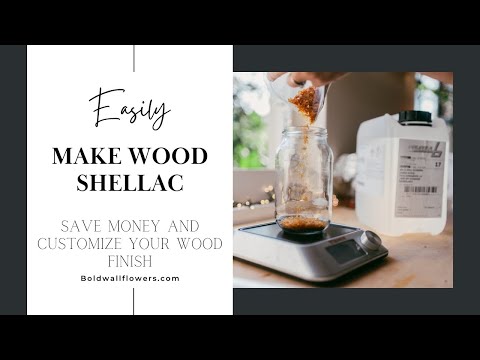
You can also make your own shellac with this simple method for making shellac from flakes. Mixing your own shellac often costs less than buying premixed products and lets you control the strength of the finish.
And while you are saving money, this simple method to clean and reuse your shellac brush can help extend the life of your tools.
If you’re ready to start finishing furniture, these tips explain how to apply shellac with a brush.
Video: How to Make Your Own Shellac
Lacquer Finish
Lacquer finish is a clear, protective finish that dries to a durable, glossy coating. It is made from resins dissolved in a solvent. There are different types of lacquer, but the most common is nitrocellulose lacquer. This is made from nitrocellulose cotton and solvents like acetone or alcohol.
Pros of lacquer finishes
- Dries very fast, allowing multiple coats in a day
- Provides a very smooth, glass-like surface
- Excellent clarity that doesn’t yellow over time
- Very durable and resistant to scratches/wear
- Crystal clear finish when applied correctly
Cons of lacquer finishes
- Toxic fumes during application require proper ventilation
- It can be difficult for beginners to apply smoothly
- Susceptible to damage from alcohol or acetone
- Prone to clouding if too many coats are applied
- Requires spray equipment; such as spray gun and spray booth
Lacquer is best suited for finishing fine furniture and other high-end wood projects where you desire a crystal clear, glass-smooth finish. It is not a finish for beginners and requires the ability to spray and apply in a ventilated area.
Of the types of wood finishes listed here; Lacquer is the only finish I have not yet tried personally. I simply do not have the set up for spraying a finish. Perhaps one day….
Wax Finishes

Wax is one of the most straightforward finishes applied to wood. The main types of wax finishes are paste wax, liquid wax, and solid wax. Decorative waxes such as liming wax used to highlight wood grain are also popular for adding contrast to open-grained woods like oak.
Paste wax, such as Minwax or Briwax, is the most commonly used for finishing and protecting wood surfaces. Liquid wax is thinner and penetrates more deeply. Solid wax comes as blocks or bars that must be melted and brushed on.
The Pros of Wax finishes
- Easy to apply
- Provides a gently lustrous, low-sheen finish
- Enhances the natural colour and grain of the wood
- Doesn’t obscure the texture of the wood like film finishes
- Easily renewable – new coats can be added on top of existing wax
The Cons of Wax finishes
- It offers relatively little protection from moisture, stains, or scratches.
- It requires frequent reapplication to maintain its protective qualities and lustre.
- Wax shows scratches, dust, and wear more readily than harder film finishes.

Wax is best suited to surfaces with light use and wear, such as antique furniture that won’t be subjected to heavy use or traffic. It brings out a soft glow in wood grain. Owners of waxed furniture need to be prepared to apply new wax probably yearly.
Choosing the Right Finish
With so many types of wood finishes, it can take time to decide which is suitable for your project. Here are some key factors to consider when selecting a finish:
Appearance
Think about the look you want to achieve. Oil, shellac and hard wax oil finishes enhance the natural wood grain, while varnish and lacquer will not.
Use and Exposure
Consider the finished piece’s end use and exposure. A protective finish like varnish is best for a protective finish. Hardwax oil and oils provide a natural, vintage look but offer less protection and require re-application every few years. Wax will require yearly updating by clients.
Application Method
Certain finishes are easier to apply than others. Oils, waxes and hardwax oil can be wiped on, while varnish and shellac need to be brushed. Spray finishes like lacquer provide the smoothest coats.
Durability
When you need maximum toughness, varnishes and lacquer finishes provide the most durable coating. Shellac, Hardwax oils, oils and wax offer little protection and some water-resistance.
Many finishes are available in both oil-based and water-based formulas, which affects drying time, durability, and colour. Understanding the differences between oil-based and water-based wood finishes can help you choose the right option for your project.
Maintenance
Consider your clients. Are they willing to reapply finishes every few years? Or are they looking for a no-maintence piece? How much upkeep the finish will need can be a very important question to ask yourself.

Continue Learning About Wood Finishes
Choosing the right finish becomes much easier once you understand how each type behaves and what trade-offs it brings.
If you want to explore specific finishes in more detail, these guides will help next:
- Comparing modern protective top coats: oil vs water polyurethane
- Understanding how colouring wood works: wood stains vs wood dyes
- A closer look at natural oil finishes and when they work best: tung oil finish
- When shellac makes sense for furniture refinishing: shellac wood finish
Frequently Asked Questions About Wood Finishes
Film-forming finishes like varnish and lacquer generally provide the highest durability because they create a hard protective layer on top of the wood. These finishes are often used on tabletops, cabinets, and other high-use furniture where resistance to spills, scratches, and wear is important.
If you’re just starting out, oil finishes and wax are the simplest to use. You just wipe them on with a cloth, so no special tools or tricky steps are needed.
You can layer some finishes, as long as they’re compatible. For example, shellac works well as a sealer under varnish or polyurethane if you want extra protection.
Most finishes will shift the colour of your wood a little. Oils usually add warmth and a hint of amber, while water-based finishes keep things closer to how the wood started out.
When you’re choosing a finish, ask yourself three things: How much protection do you need? What look are you after? And how much maintenance are you willing to do down the line?

very helpful!
Hi Jennie,
Thank you so much for taking the time to leave a few words. It really helps to me know what you found useful and ensures I keep on working on adding new content.